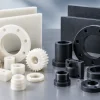
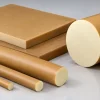
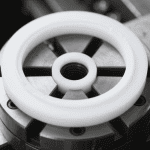
Polytetrafluoroethylene (PTFE) is renowned for its exceptional chemical resistance, low friction coefficient, and wide temperature range capabilities. However, to maximize the sealing performance of PTFE components, specialized processing techniques must be employed. In this comprehensive guide, we’ll explore the key manufacturing methods that enhance PTFE seal functionality.
1. Precision Machining for Optimal Seal Geometry
The machining process significantly impacts PTFE seal performance:
- CNC machining enables tight tolerances (±0.01mm) for critical sealing surfaces
- Specialized tooling prevents material tearing common with PTFE
- Cryogenic machining improves dimensional stability during cutting
- Surface finish optimization (typically 0.4-1.6μm Ra) balances leakage control and friction
Proper machining reduces compression set and improves seal conformity to mating surfaces.
2. Advanced Sintering Techniques for Enhanced Density
Sintering parameters dramatically affect PTFE’s final properties:
| Parameter | Standard Range | Optimized Range | Effect on Seals |
|---|---|---|---|
| Temperature | 360-380°C | 365-372°C | Higher crystallinity = better creep resistance |
| Pressure | 10-25 MPa | 18-22 MPa | Increased density reduces permeation |
| Cooling Rate | 20-50°C/hr | 30-40°C/hr | Controls crystalline structure |
3. Filling Compounds for Performance Enhancement
Strategic filler additions improve specific seal characteristics:
Common PTFE Fillers
- Glass fiber (15-25%) – improves stiffness
- Carbon/graphite (5-15%) – enhances conductivity
- Bronze (40-60%) – increases wear resistance
- Molybdenum disulfide (5%) – reduces friction
Processing Considerations
- Uniform filler distribution is critical
- Filler size should be ≤10% of seal cross-section
- Special mixing techniques prevent segregation
4. Surface Modification Techniques
Advanced surface treatments further enhance PTFE seal performance:
- Plasma treatment – increases surface energy for better wettability
- Laser texturing – creates controlled micro-surface patterns
- Chemical etching – improves bonding in composite seals
- Ion implantation – reduces wear rates by 80-90%
5. Post-Processing for Optimal Performance
Final processing steps ensure peak seal performance:
- Stress relief annealing at 200-250°C prevents deformation
- Surface lapping achieves ultra-flat sealing faces (≤0.5μm)
- Lubricant impregnation reduces break-in friction
- QC inspection including helium leak testing for critical seals
Implementing a Comprehensive Approach
The most effective PTFE seal manufacturing combines multiple techniques:
Example Process Flow:
Precision compounding → Isostatic pressing → Controlled sintering → CNC machining → Plasma treatment → Performance testing
By optimizing these processing parameters, manufacturers can achieve:
- 50-70% reduction in leakage rates
- 3-5x improvement in service life
- Wider operating temperature range (-200°C to +280°C)
- Superior chemical compatibility
For critical applications, consider working with PTFE processing specialists who can tailor these techniques to your specific sealing requirements.